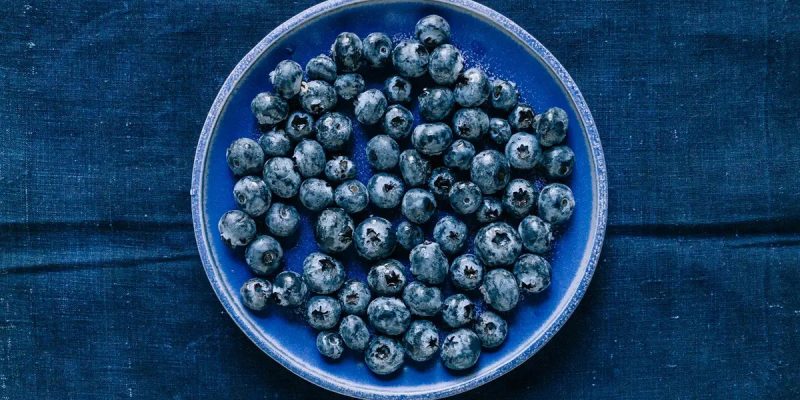
The intake of flavonoids has the largest intake from drinks such as tea and fruit teas. If we consume coffee, we do acquire a further range of phenolic compounds. Dark chocolate, berries, grapes, apples and many more plant foods help us acquire a range of polyphenols.
Polyphenols are plant compounds: consisting of
- Anthocyanins
- Procyanidins
- Flavonols
- Flavan-3-ols
- Hydroxycinnamic acids
The three P’s
– Prebiotics
– Probiotics
– and (poly)phenols
The polyphenols interact with gut microbiota and exert prebiotic but also anti-microbial effects. A bi-directional relationship between the polyphenols and gut microbiota as a new avenue of research.
Cardiovascular function
- Reducing blood pressure
- Endothelial homeostasis
- Hypertension
- Lipid profiles
- Platelet activation
Inflammation
- Inhibition of cytokine production
- Reduced adhesion molecule expression
- Inhibition of neuroinflammation
Cancer
- Inhibition of tumor development
- Detoxification of cancer precursors
- Inhibition of DNA oxidation
Brain
- Memory and learning
- Cognitive performance
- Cerebral blood flow
- Psychomotor activity
- Inhibition of neurodegeneration
- Neurogenesis
Our individual capacity to produce polyphenol gut microbial metabolites is highly variable and correlates with gut microbiota diversity and composition: this may explain the variability in responses to polyphenols.
Polyphenol gut microbiota metabolites may be key bioactives. For a duration of time for them to become effective, 24-hour
95% of the polyphenols we consume are not absorbed in the small intestine and reach the colon for the gut microbiota to use them.
Practical Considerations
Including foods daily, as part of your habitual diet, tea, berries, oranges, grapes, apples, coffee, nuts, seeds, soy, herbs and spices, cocoa or cacao, 70%+ dark chocolate, extra virgin olive oil.
Avoid combining polyphenol-rich foods with foods rich in polyphenol oxidase: such as removing bananas from your smoothies that include berries or avocado with potatoes.
If at risk of iron deficiency: avoid consuming polyphenols with iron-rich foods such as fortified cereals, meat or supplements (give them a 2-hour gap). Coffee and tea away from iron-rich foods for example.
Stay aware of supplements very high in polyphenols > in the context of diet it would be rarely problematic to acquire enough polyphenols to be an issue
